Water is one of the most valuable resources used in industrial operations. Industries such as power generation, chemical processing, pharmaceuticals, textiles, and manufacturing depend heavily on water for production processes. At the same time, growing environmental concerns and stricter regulations have increased the focus on sustainable water management.
One of the most advanced approaches to industrial water conservation is the Zero Liquid Discharge (ZLD) system. Designed to maximize water recovery and minimize wastewater disposal, ZLD technology helps industries improve resource efficiency while reducing environmental impact.
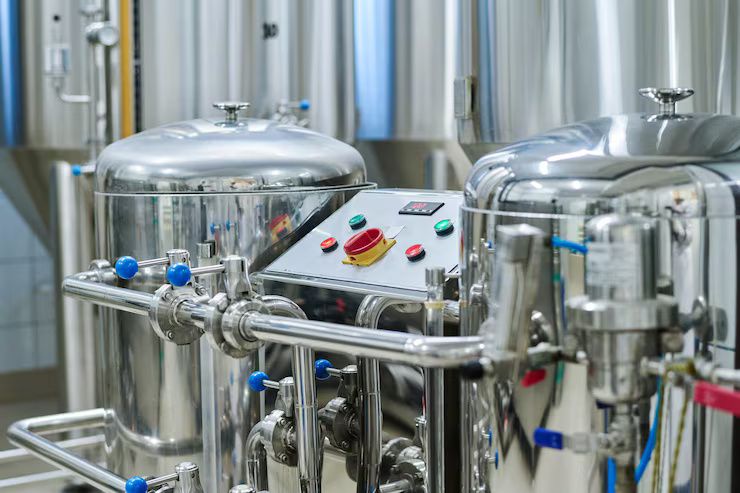
As industries seek more sustainable operations, Zero Liquid Discharge systems have become an important part of modern wastewater treatment strategies.
What Is a Zero Liquid Discharge System?
A Zero Liquid Discharge system is an advanced wastewater treatment process designed to recover and reuse nearly all water from industrial wastewater streams. The primary goal is to eliminate liquid waste discharge by converting wastewater into reusable water and solid residues.
Unlike conventional treatment methods that release treated wastewater into the environment, ZLD systems focus on recovering water for reuse within industrial facilities.
The process typically involves:
- Wastewater treatment and purification
- Water recovery and recycling
- Concentration of dissolved solids
- Solid waste separation
By recovering water that would otherwise be discarded, industries can significantly improve water utilization efficiency.
Why Zero Liquid Discharge Is Becoming Important
Water scarcity is becoming a growing concern across many regions of the world. Industries are increasingly expected to reduce water consumption and manage wastewater more responsibly.
Several factors are driving the adoption of ZLD technologies:
- Increasing demand for water conservation
- Stricter environmental regulations
- Rising focus on sustainability initiatives
- Greater emphasis on resource recovery
These factors have made advanced water recovery technologies a priority for many industrial sectors.
How Zero Liquid Discharge Systems Work
A ZLD system combines multiple treatment technologies to recover usable water while concentrating contaminants into solid waste.
The process is designed to maximize water recovery and minimize liquid discharge at every stage.
Initial Wastewater Treatment
The first stage removes suspended solids, oils, and other contaminants from wastewater.
This treatment improves water quality before it enters more advanced recovery processes.
Depending on the industry, pretreatment may involve filtration, clarification, or chemical treatment methods.
Membrane-Based Separation
After pretreatment, wastewater often passes through membrane technologies that separate purified water from dissolved contaminants.
Common membrane technologies include:
- Reverse osmosis systems
- Ultrafiltration units
- Nanofiltration processes
These technologies help recover a significant portion of water for reuse.
Concentration Process
The remaining wastewater contains high concentrations of dissolved solids.
Specialized concentration equipment is used to reduce water content further while increasing contaminant concentration.
This stage improves overall recovery efficiency and prepares the stream for final treatment.
Evaporation and Crystallization
The final stage typically involves thermal treatment processes.
Evaporators remove remaining water from concentrated wastewater, while crystallizers convert dissolved salts and minerals into solid materials.
At this point, nearly all recoverable water has been extracted from the wastewater stream.
Key Technologies Used in ZLD Systems
Modern Zero Liquid Discharge facilities rely on multiple technologies working together to achieve maximum recovery rates.
Reverse Osmosis Systems
Reverse osmosis is one of the most widely used water purification technologies.
It uses specialized membranes to separate water from dissolved contaminants, producing high-quality recovered water suitable for industrial reuse.
Industrial Evaporators
Evaporators use heat energy to separate water from dissolved solids.
These systems play a critical role in achieving high recovery levels within ZLD facilities.
Crystallization Technologies
Crystallizers transform concentrated dissolved solids into solid crystals that can be collected and managed separately.
This process helps eliminate liquid waste while supporting efficient resource recovery.
Advanced Monitoring Systems
Modern ZLD installations often incorporate digital monitoring technologies that track system performance in real time.
These systems help operators optimize efficiency and maintain consistent treatment results.
Wastewater Treatment Processes in ZLD Systems
Wastewater treatment is at the heart of every Zero Liquid Discharge facility. Multiple treatment stages work together to improve water quality and maximize recovery.
Physical Treatment Methods
Physical treatment removes larger particles and suspended materials.
Common techniques include sedimentation, filtration, and mechanical separation processes.
These methods provide an important foundation for subsequent treatment stages.
Chemical Treatment Processes
Chemical treatment helps remove dissolved contaminants and improve water quality.
Various treatment methods may be used depending on wastewater characteristics and industrial requirements.
Biological Treatment Technologies
Some industrial facilities incorporate biological treatment systems to break down organic contaminants before advanced recovery processes begin.
This improves overall treatment efficiency and reduces the burden on downstream equipment.
Benefits of Zero Liquid Discharge Systems
Industries implementing ZLD systems often experience significant operational and environmental advantages.
Some major benefits include:
- Reduced freshwater consumption
- Improved water recovery efficiency
- Lower wastewater discharge volumes
- Enhanced environmental compliance
These advantages make ZLD an attractive solution for industries facing increasing sustainability requirements.
Industrial Applications of Zero Liquid Discharge
Zero Liquid Discharge technology is used across a variety of industries where water management is a critical operational concern.
Power Generation Facilities
Power plants use large volumes of water for cooling and steam generation.
ZLD systems help recover wastewater and reduce overall water demand within facility operations.
Chemical Processing Industry
Chemical manufacturing often generates complex wastewater streams containing dissolved contaminants.
Advanced ZLD systems provide an effective solution for recovering water while managing waste materials.
Textile Manufacturing
Textile production involves extensive water usage during dyeing and processing activities.
Water recovery technologies help textile facilities improve sustainability while reducing environmental impact.
Pharmaceutical Manufacturing
Pharmaceutical facilities require high levels of water quality and strict wastewater management practices.
ZLD systems support both water conservation and regulatory compliance objectives.
Mining and Metals Industry
Mining operations frequently generate wastewater containing dissolved minerals and process chemicals.
Zero Liquid Discharge technologies help recover water while supporting responsible environmental management.
Challenges of Implementing ZLD Systems
Although ZLD provides significant benefits, implementation can be complex.
Industries must carefully evaluate factors such as wastewater composition, treatment requirements, facility infrastructure, and operational efficiency goals.
System design requires specialized engineering to ensure that all treatment stages function effectively together.
As technology continues to advance, many implementation challenges are becoming easier to address through improved system integration and automation.
Role of Automation in Modern ZLD Facilities
Automation has become increasingly important in advanced water treatment systems.
Modern facilities use intelligent control systems to monitor flow rates, water quality, equipment performance, and recovery efficiency.
Real-time monitoring allows operators to make adjustments quickly and maintain optimal operating conditions.
Automation also helps improve reliability and supports consistent treatment performance across complex industrial environments.
Future Trends in Water Recovery Technologies
The future of Zero Liquid Discharge is closely tied to innovation in water treatment and sustainability technologies.
Emerging developments include energy-efficient evaporators, advanced membrane systems, artificial intelligence-driven process optimization, and smart monitoring platforms.
These innovations are expected to improve recovery rates, reduce energy consumption, and enhance operational efficiency.
As industries place greater emphasis on environmental responsibility and resource conservation, advanced water recovery technologies will continue to gain importance.
Conclusion
Zero Liquid Discharge systems represent one of the most advanced approaches to industrial wastewater management. By recovering and reusing water while minimizing liquid waste, these systems help industries improve sustainability and resource efficiency.
Through the integration of advanced treatment technologies, intelligent monitoring systems, and water recovery processes, ZLD facilities support modern environmental goals while meeting industrial operational requirements. As water conservation becomes increasingly important worldwide, Zero Liquid Discharge systems will continue to play a critical role in sustainable industrial development.