Hydraulics and pneumatics are important power transmission technologies used in industrial automation systems to control movement, operate machinery, and transfer energy through fluids or compressed air. These technologies are widely used in manufacturing equipment, construction machinery, automotive systems, material handling equipment, robotics, and industrial production processes.
Hydraulic systems use pressurized liquids, while pneumatic systems use compressed gases, mainly air, to generate mechanical movement. Both technologies provide reliable methods for controlling industrial operations and continue to evolve through digital monitoring, automation integration, and smart manufacturing technologies.
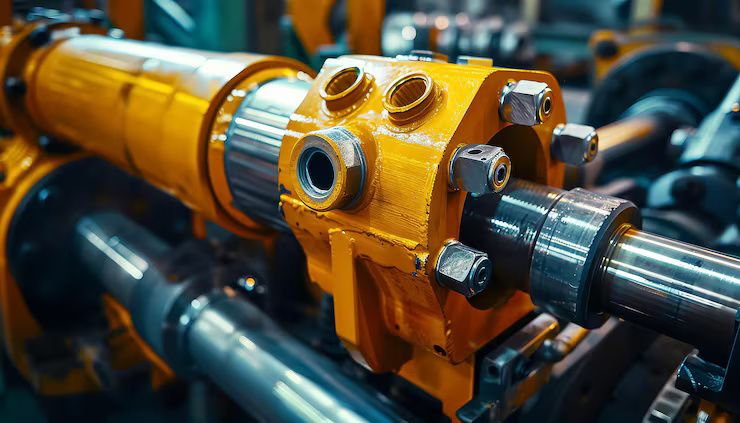
Modern hydraulics and pneumatics combine mechanical engineering with electronic controls, sensors, programmable systems, and industrial communication networks. These developments allow industries to create more efficient and connected automation systems for different applications.
Context
What Are Hydraulics and Pneumatics?
Hydraulics and pneumatics are engineering technologies that use fluid power to transmit energy and create mechanical motion.
Hydraulic systems use liquids, usually hydraulic oil, because liquids can transfer high forces through pressure. Pneumatic systems use compressed air because gases provide fast movement and flexible control.
Both technologies are used for:
- Linear movement
- Rotational movement
- Force generation
- Equipment control
- Automated machine operation
- Material handling
The selection between hydraulic and pneumatic systems depends on factors such as required force, speed, precision, environment, and application needs.
How Hydraulic Systems Work
Hydraulic systems operate by using pressurized fluid to transfer energy from one component to another.
The basic operating process includes:
- A hydraulic pump creates fluid pressure.
- Pressurized fluid moves through hydraulic lines.
- Control valves regulate fluid direction and flow.
- Hydraulic cylinders or motors convert pressure into movement.
- The fluid returns to the reservoir for reuse.
Common hydraulic components include:
- Hydraulic pumps
- Hydraulic cylinders
- Hydraulic motors
- Control valves
- Filters
- Reservoirs
- Hydraulic hoses
These components work together to create controlled mechanical motion.
How Pneumatic Systems Work
Pneumatic systems use compressed air to generate movement and operate machinery.
The operating process includes:
- An air compressor produces compressed air.
- Air passes through filters and regulators.
- Control valves direct airflow.
- Pneumatic cylinders convert air pressure into movement.
- Exhaust air is released after operation.
Common pneumatic components include:
- Air compressors
- Pneumatic cylinders
- Air preparation units
- Solenoid valves
- Pressure regulators
- Air lines
Pneumatic systems are commonly used where fast and clean operation is required.
Comparison of Hydraulics and Pneumatics
| Feature | Hydraulic Systems | Pneumatic Systems |
|---|---|---|
| Power Medium | Hydraulic fluid | Compressed air |
| Force Capability | High force output | Moderate force output |
| Operating Speed | Controlled movement | Fast movement |
| Precision | Suitable for precise force control | Suitable for rapid operations |
| Common Uses | Heavy machinery and industrial presses | Automation and assembly systems |
| Maintenance Needs | Fluid management required | Air quality management required |
Both systems have unique advantages depending on industrial requirements.
Importance
Why Hydraulics and Pneumatics Matter
Industrial facilities require reliable methods to move equipment, control production processes, and operate machinery. Hydraulics and pneumatics provide flexible solutions for mechanical power transmission.
These technologies support industries where controlled movement and automation are essential.
Supporting Industrial Automation Systems
Hydraulic and pneumatic technologies are widely integrated into industrial automation systems.
Common applications include:
- Automated assembly lines
- Robotic systems
- Packaging equipment
- Material handling machines
- Production machinery
- Machine tools
- Process control systems
Automation controllers can coordinate hydraulic and pneumatic components with sensors and digital systems.
Power Transmission Technologies in Industry
Power transmission technologies allow energy to move from a source to mechanical equipment.
Hydraulic and pneumatic systems support:
- Force multiplication
- Controlled movement
- Machine operation
- Equipment positioning
- Automated processes
- Industrial control
These systems are used when electrical or mechanical transmission methods may not be suitable for specific applications.
Industrial Applications
Hydraulics and pneumatics are used across multiple sectors.
Manufacturing Industry: Hydraulic presses, clamping systems, injection molding machines, and automated production equipment use fluid power technologies.
Construction Equipment: Excavators, cranes, loaders, and lifting machinery rely heavily on hydraulic systems for movement and force control.
Automotive Manufacturing: Pneumatic tools, assembly equipment, robotic systems, and testing machines use compressed air technologies.
Packaging Industry: Filling machines, sealing machines, labeling systems, and conveyor controls often use pneumatic components.
Agricultural Machinery: Tractors, harvesting equipment, and agricultural systems use hydraulic controls for movement and operation.
Benefits of Modern Fluid Power Systems
Modern hydraulic and pneumatic systems provide several operational advantages.
These include:
- Reliable mechanical movement
- Flexible automation integration
- Controlled force and speed
- Compact equipment design
- Compatibility with industrial control systems
- Wide application range
Performance depends on system design, component selection, maintenance practices, and operating conditions.
Recent Updates
Smart Hydraulic Systems
Between 2024 and 2026, hydraulic systems have increasingly incorporated sensors and digital monitoring technologies. Smart hydraulic equipment can monitor pressure, temperature, fluid conditions, and operating performance.
These technologies support improved system visibility and maintenance planning.
Advanced Pneumatic Automation
Modern pneumatic systems are becoming more efficient through improved valves, sensors, and electronic controls.
Digital pneumatic systems can monitor:
- Air pressure
- Cylinder movement
- Energy usage
- System performance
These improvements support automation applications.
Industrial Internet of Things Integration
Hydraulic and pneumatic systems are increasingly connected with:
- Industrial IoT platforms
- Manufacturing Execution Systems (MES)
- SCADA systems
- Predictive maintenance platforms
- Machine monitoring software
Connected systems provide operational information for industrial facilities.
Energy Efficiency Improvements
Manufacturers continue developing technologies that reduce energy consumption through:
- Improved hydraulic pumps
- Efficient compressors
- Variable speed drives
- Better system controls
- Reduced air leakage
These developments support more efficient industrial operations.
Integration with Robotics
Robotic systems increasingly combine electrical controls with hydraulic and pneumatic components for specialized movement applications.
Examples include:
- Robotic grippers
- Automated handling systems
- Industrial assembly equipment
- Precision movement systems
Laws or Policies
Industrial Safety Regulations
Hydraulic and pneumatic systems operate under workplace safety regulations covering pressure equipment, machinery operation, maintenance procedures, and worker protection.
Organizations establish safety practices based on equipment type and operating environment.
Pressure Equipment Standards
Systems using pressurized fluids or compressed air generally follow standards related to:
- Pressure limits
- Component testing
- Safety valves
- System design
- Equipment inspection
Requirements vary depending on location and application.
Machinery Safety Requirements
Industrial automation equipment follows safety guidelines covering:
- Emergency controls
- Machine guarding
- Control systems
- Operator protection
- Equipment maintenance
These requirements support safer industrial operations.
Environmental Considerations
Hydraulic systems may follow environmental guidelines related to fluid handling, leakage prevention, and waste management.
Industries also monitor compressed air efficiency to reduce unnecessary energy usage.
Tools and Resources
Hydraulic Simulation Software
Engineering simulation tools help analyze:
- Fluid flow
- Pressure levels
- Component performance
- System response
- Equipment design
These tools support hydraulic system development.
Pneumatic Circuit Design Software
Pneumatic design tools help engineers create:
- Air circuits
- Valve arrangements
- Cylinder configurations
- Control sequences
These platforms support automation planning.
Industrial Monitoring Platforms
Digital monitoring systems track:
- Pressure
- Temperature
- Flow rates
- Equipment status
- Energy consumption
- Maintenance information
These tools support system analysis.
Automation Control Systems
Programmable Logic Controllers (PLCs) and industrial control systems coordinate hydraulic and pneumatic equipment within automated production environments.
Educational Resources
People interested in hydraulics and pneumatics can learn from:
- Mechanical engineering organizations
- Industrial automation publications
- Fluid power associations
- Engineering textbooks
- Technical training platforms
- Manufacturing technology resources
These resources explain power transmission technologies, automation systems, components, and industrial applications.
FAQs
What are hydraulics and pneumatics?
Hydraulics and pneumatics are power transmission technologies that use pressurized fluids and compressed air to generate controlled mechanical movement.
What is the difference between hydraulic and pneumatic systems?
Hydraulic systems use liquid to produce high-force movement, while pneumatic systems use compressed air for faster and lighter industrial operations.
Where are hydraulics and pneumatics used?
These technologies are used in manufacturing, construction equipment, automotive production, packaging systems, agriculture, robotics, and industrial automation.
How do hydraulics and pneumatics support industrial automation systems?
They provide controlled movement for machines and can be integrated with sensors, controllers, and automation platforms.
Why are power transmission technologies important in industry?
Power transmission technologies allow industrial equipment to perform controlled mechanical operations, supporting efficient production and automated processes.
Conclusion
Hydraulics and pneumatics are essential technologies in modern industrial automation systems, providing reliable methods for power transmission and machine control. Through advanced components, digital monitoring, and automation integration, these systems support a wide range of industrial applications. As manufacturing continues adopting smart technologies, hydraulics and pneumatics remain important elements of efficient industrial equipment and automated production environments.