
Biomass fired boilers are industrial heating systems that generate steam or hot water by burning organic materials such as wood chips, agricultural residues, rice husks, bagasse, sawdust, and other plant-based fuels. These boilers convert the energy stored in organic materials into thermal energy, which can be used in manufacturing, electricity generation, food processing, chemical production, and other industrial operations.
The development of biomass boiler technology is connected to the historical use of wood and agricultural waste as heating fuels. As industrial steam requirements increased, boiler manufacturers developed more advanced combustion chambers, fuel feeding arrangements, heat exchangers, and emission control systems.
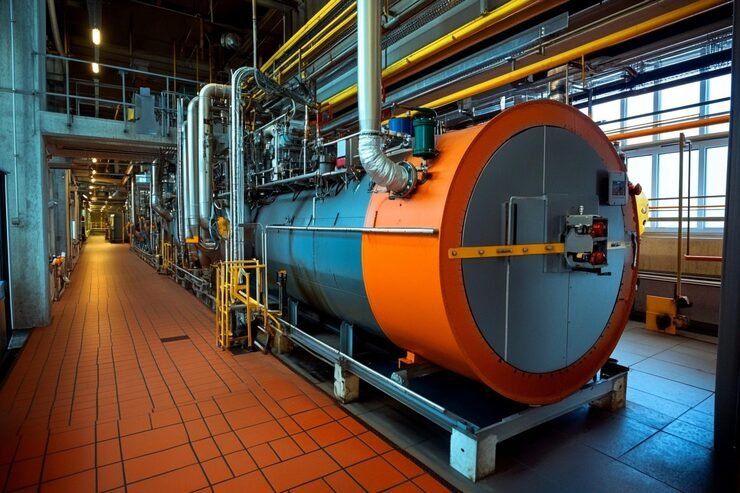
Modern biomass fired boilers combine mechanical engineering, combustion technology, automation, and thermal management. Their design depends on fuel characteristics, steam requirements, operating pressure, and applicable environmental standards.
Why Biomass Fired Boilers Matter in Modern Industries
Biomass fired boilers are used by industries that require continuous thermal energy for manufacturing and processing activities. They provide an alternative to conventional fossil-fuel-fired heating systems when suitable biomass resources and supporting infrastructure are available.
Agricultural processing facilities, textile manufacturers, paper mills, food processing plants, and sugar factories are among the industries that use biomass-based steam generation.
Their major industrial applications include:
Renewable Energy Utilization: Convert suitable organic materials into useful thermal energy.
Agricultural Waste Management: Utilize certain agricultural residues as boiler fuel.
Industrial Steam Generation: Supply steam for manufacturing and processing operations.
Energy Diversification: Allow facilities to use different fuel sources depending on availability.
Combined Heat and Power: Support systems that produce both electricity and useful thermal energy.
Industrial Heating: Provide heat for drying, cooking, sterilization, and other production activities.
However, biomass combustion also produces particulate matter and other emissions. Fuel quality, combustion efficiency, boiler maintenance, and pollution control equipment are important considerations.
Major Types of Biomass Fired Boilers
Biomass boilers are classified according to their combustion methods, fuel feeding systems, and heat transfer arrangements. Different designs are suitable for different fuel types and industrial requirements.
Grate Fired Biomass Boilers
Grate fired boilers burn solid biomass fuels on a mechanically supported combustion surface called a grate.
Fuel is supplied to the combustion chamber, where air supports the burning process. The resulting hot gases transfer heat to boiler tubes and generate steam.
Common grate arrangements include fixed grates, travelling grates, vibrating grates, and reciprocating grates. These systems are commonly used for wood chips, bagasse, and selected agricultural residues.
Fluidized Bed Biomass Boilers
Fluidized bed boilers use a bed of heated particles, commonly sand, that becomes suspended through controlled airflow.
Biomass fuel is introduced into the fluidized bed, where combustion takes place under controlled conditions. These systems can accommodate different biomass fuel characteristics, subject to appropriate preparation and design.
Two common configurations are bubbling fluidized bed (BFB) and circulating fluidized bed (CFB) boilers.
Pulverized Biomass Boilers
Pulverized biomass boilers use finely processed biomass fuel that is introduced into a combustion chamber through a controlled feeding system.
The fuel burns while suspended in the combustion air. This arrangement is generally associated with specially designed combustion systems and requires suitable fuel preparation.
Biomass Hot Water Boilers
Biomass hot water boilers generate heated water rather than steam. They are used in industrial heating networks, agricultural facilities, institutional buildings, and selected manufacturing operations.
Biomass Pellet and Briquette Fired Boilers
These boilers use compressed biomass fuels, including wood pellets, agricultural briquettes, and other processed organic materials.
Pellets and briquettes generally have more uniform dimensions than loose agricultural residues. This can support controlled fuel feeding and combustion, although moisture content, density, ash characteristics, and fuel composition remain important.
Working Principle of Biomass Fired Boilers
Biomass fired boilers operate by converting the chemical energy stored in organic fuel into heat. This heat is transferred to water through boiler tubes or heat exchange surfaces, producing steam or hot water for industrial use.
The main operating stages are:
Fuel Storage: Biomass is stored in designated storage areas or fuel silos.
Fuel Feeding: Conveyors, screw feeders, or hydraulic feeding arrangements transport biomass into the combustion chamber.
Combustion: Controlled airflow supports the burning of biomass and releases thermal energy.
Heat Transfer: Hot combustion gases transfer heat to water circulating through boiler tubes.
Steam Generation: Heated water produces steam at the required pressure and temperature.
Flue Gas Treatment: Exhaust gases pass through pollution control equipment before leaving through the chimney.
Ash Handling: Bottom ash and fly ash are collected through designated removal systems.
Boiler Component | Main Function |
|---|---|
Fuel feeding system | Transfers biomass into the furnace |
Combustion chamber | Burns biomass fuel |
Boiler tubes | Transfer heat to water |
Economizer | Preheats incoming feedwater |
Air preheater | Heats combustion air |
Ash handling system | Removes combustion residue |
Dust collector | Reduces particulate emissions |
Control panel | Monitors operating conditions |
Biomass Boiler Manufacturing Technologies and Production Processes
Biomass boiler manufacturing combines pressure vessel engineering, metal fabrication, thermal design, combustion engineering, and industrial automation. Manufacturers select materials and construction methods according to operating pressure, temperature, boiler capacity, fuel characteristics, and applicable engineering standards.
Boiler Design and Engineering
The manufacturing process begins with engineering calculations and equipment design. Engineers determine steam capacity, operating pressure, heat transfer requirements, furnace dimensions, and fuel feeding arrangements.
Computer-aided design (CAD) and engineering simulation software help develop boiler layouts, combustion chambers, piping arrangements, and structural components.
Metal Fabrication and Pressure Vessel Production
Boiler manufacturing involves cutting, bending, welding, and machining metal components. Pressure-containing parts, including drums, headers, and boiler tubes, require appropriate materials and manufacturing controls.
Welding procedures, material traceability, dimensional inspections, and non-destructive testing are important during production.
Heat Exchanger and Furnace Assembly
Boiler tubes, furnace walls, superheaters, economizers, and other heat exchange components are assembled according to the approved engineering design.
The combustion chamber is configured to accommodate the selected biomass fuel and combustion technology.
Automation and Control System Integration
Modern biomass boilers use automated systems to monitor fuel feeding, combustion air, water levels, steam pressure, and temperature.
Programmable logic controllers (PLCs), sensors, and supervisory control and data acquisition (SCADA) systems help operators monitor and regulate boiler performance.
Testing and Commissioning
Manufactured boilers undergo inspections and testing before installation and operation. Depending on the design and applicable regulations, these may include pressure testing, weld inspections, functional testing, safety system verification, and performance assessment.
Global Biomass Boiler Manufacturers and Equipment Suppliers
The biomass boiler industry includes engineering companies, boiler manufacturers, combustion technology developers, and suppliers of industrial equipment.
Some internationally recognized companies operating in this sector include:
ANDRITZ: Develops fluidized bed boiler technologies for biomass-based energy generation and industrial applications.
Valmet: Provides boiler and energy technologies for industrial and power generation applications.
Babcock & Wilcox: Develops steam generation and combustion technologies.
Thermax: Manufactures industrial boilers and energy systems, including biomass-based equipment.
VYNCKE: Develops industrial energy systems using biomass and other renewable fuels.
Hurst Boiler: Manufactures boiler systems for industrial and institutional applications.
ISGEC Heavy Engineering: Manufactures industrial boilers and power generation equipment.
Bharat Heavy Electricals Limited: Operates in power generation equipment and industrial engineering.
The supply chain also includes manufacturers of biomass fuel handling equipment, industrial fans, pumps, valves, pressure gauges, water treatment systems, filtration equipment, and automation components.
Industrial Applications of Biomass Fired Boilers
Biomass fired boilers are used in industries that require steam, process heat, or thermal energy.
Common applications include:
Sugar Manufacturing: Bagasse generated during sugarcane processing can be used as boiler fuel.
Food Processing: Steam supports cooking, drying, sterilization, and processing operations.
Textile Manufacturing: Boilers provide steam for fabric processing, dyeing, and finishing.
Paper and Pulp Industry: Biomass-based steam supports pulping, drying, and other production activities.
Chemical Manufacturing: Process steam supports heating, mixing, and selected chemical operations.
Wood Processing: Sawdust, wood chips, and other suitable wood residues can supply thermal energy.
Rice Mills: Rice husks can be used in specially designed biomass combustion systems.
Pharmaceutical Manufacturing: Steam supports selected heating, cleaning, and sterilization processes.
Biomass Boiler Regulations and Government Initiatives in India
Biomass boiler installations in India must comply with applicable environmental, industrial safety, and pressure equipment regulations.
The Central Pollution Control Board (CPCB), State Pollution Control Boards, and relevant environmental authorities oversee industrial pollution requirements. Boiler installations are also subject to applicable provisions of the Boilers Act and Indian boiler regulations administered through the competent authorities.
Important regulatory considerations include:
Boiler registration, inspection, and applicable certification.
Pressure vessel and operational safety requirements.
Particulate matter and other emission limits.
Fuel handling and ash disposal procedures.
Pollution control equipment and stack requirements.
Consent to Establish and Consent to Operate, where applicable.
India's Ministry of Power also maintains the SAMARTH initiative, which supports the use of agricultural residues in thermal power generation through biomass co-firing policies and technical guidance.
In Delhi-NCR, additional regional emission requirements apply. In February 2026, the Commission for Air Quality Management announced stricter particulate matter requirements for identified industrial categories, with implementation schedules during 2026.
Recent Developments in Biomass Boiler Technology, 2024–2026
Biomass boiler technology continues to develop through improvements in combustion control, fuel flexibility, automation, and emission management.
Several important industry trends include:
Advanced Combustion Control: Automated airflow regulation and fuel feeding systems help maintain controlled combustion conditions.
Improved Emission Control: Industrial facilities are adopting bag filters, electrostatic precipitators, cyclones, and other pollution control technologies to manage particulate emissions.
Biomass Fuel Diversification: Manufacturers are developing systems capable of processing different agricultural residues, wood waste, pellets, and briquettes.
Digital Boiler Monitoring: Sensors, PLCs, and SCADA systems provide operational information about steam pressure, temperature, fuel consumption, and equipment conditions.
Energy Efficiency Improvements: Economizers, air preheaters, insulation, and improved heat recovery arrangements help reduce avoidable thermal losses.
These developments reflect the growing importance of renewable thermal energy and more controlled industrial combustion systems.
Frequently Asked Questions About Biomass Fired Boilers
1. What is a biomass fired boiler?
A biomass fired boiler is an industrial heating system that burns organic materials such as wood chips, rice husks, bagasse, and agricultural residues to generate steam or hot water.
2. What are the main types of biomass boilers?
The main types include grate fired boilers, fluidized bed boilers, pulverized biomass boilers, hot water boilers, and pellet or briquette fired boilers.
3. How does a biomass steam boiler work?
A biomass steam boiler burns organic fuel inside a combustion chamber. The released heat transfers to water through boiler tubes, producing steam for industrial applications.
4. Who are the major global biomass boiler manufacturers?
Recognized manufacturers include ANDRITZ, Valmet, Thermax, Babcock & Wilcox, VYNCKE, Hurst Boiler, ISGEC Heavy Engineering, and Bharat Heavy Electricals Limited.
5. Which industries use biomass fired boilers?
Industries using biomass boilers include sugar, textile, food processing, paper and pulp, pharmaceuticals, chemicals, rice milling, and wood processing.
Conclusion
Biomass fired boilers convert organic materials into useful thermal energy for industrial heating and steam generation. Different boiler types, including grate fired and fluidized bed systems, are designed for different fuel characteristics and operating requirements. Modern manufacturing technologies, automated controls, and emission management equipment play important roles in boiler operation. Their applications across manufacturing, agriculture, and energy production make biomass boilers an important part of industrial thermal energy systems.